Top Nutrition Tips for Natural Wellness Success

In a world where health trends come and go, the foundation of natural wellness remains steadfast: nutrition. The food we consume plays a crucial role in our overall well-being, influencing everything from our energy levels to our mood. By making informed dietary choices, we can enhance our health and vitality. This blog post will explore essential nutrition tips that can lead to natural wellness success.
Understand the Basics of Nutrition
Before diving into specific tips, it’s important to grasp the fundamentals of nutrition. At its core, nutrition involves the intake of food and how it affects our bodies. Here are some key components:
Macronutrients: These include carbohydrates, proteins, and fats. Each plays a vital role in providing energy and supporting bodily functions.
Micronutrients: Vitamins and minerals are essential for various biochemical processes. They help in immune function, bone health, and energy production.
Hydration: Water is often overlooked but is crucial for digestion, nutrient absorption, and temperature regulation.
Understanding these basics will help you make better food choices.
Prioritize Whole Foods
One of the best ways to improve your nutrition is to focus on whole foods. These are foods that are minimally processed and free from artificial ingredients. Here are some examples:
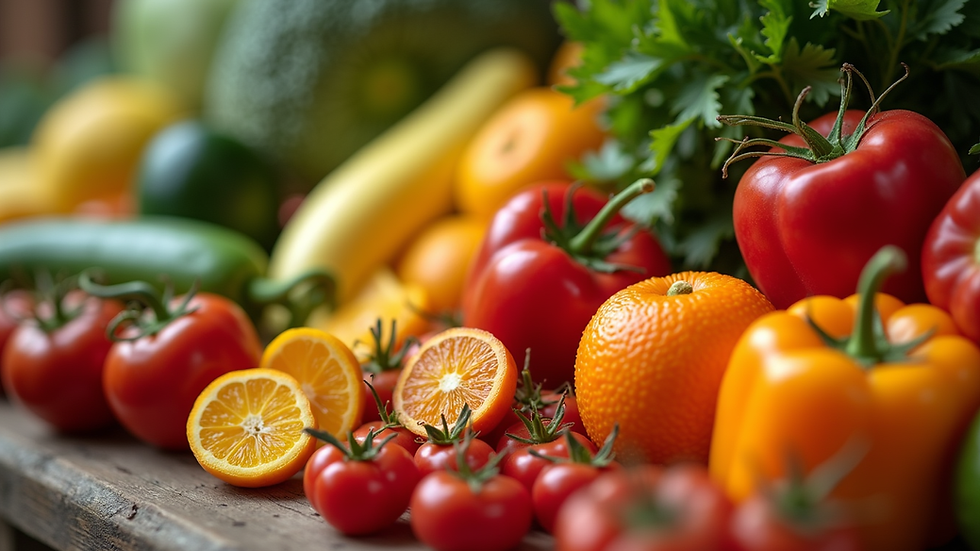
Fruits and Vegetables: Aim for a variety of colors on your plate. Each color represents different nutrients. For instance, leafy greens are rich in iron, while orange vegetables provide beta-carotene.
Whole Grains: Choose brown rice, quinoa, and whole wheat bread over refined grains. Whole grains retain their nutrients and fiber, which aids digestion.
Lean Proteins: Incorporate sources like chicken, fish, beans, and legumes. These provide essential amino acids necessary for muscle repair and growth.
By prioritizing whole foods, you can significantly enhance your nutrient intake.
Balance Your Plate
Creating a balanced meal is essential for maintaining energy levels and overall health. A well-balanced plate typically includes:
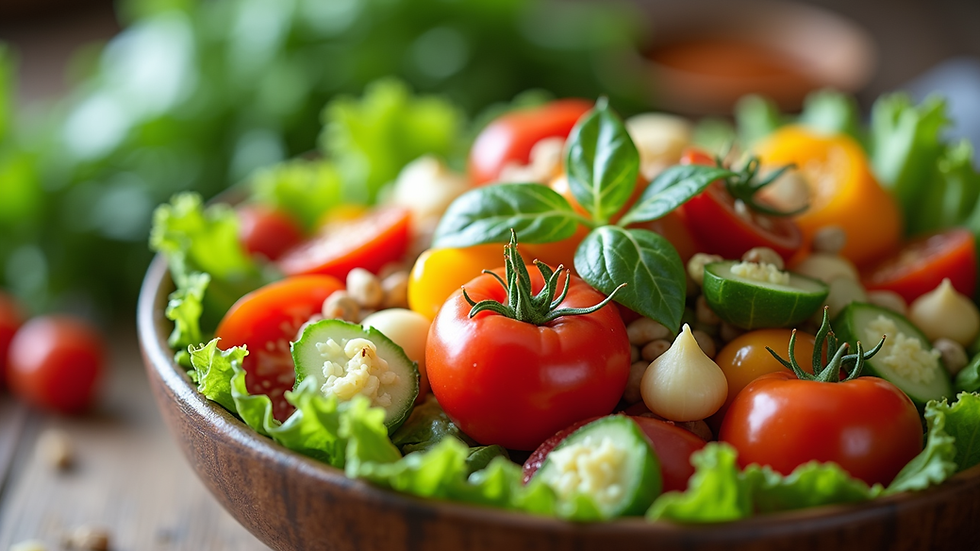
Half the Plate: Fill half your plate with fruits and vegetables. This ensures you get plenty of vitamins, minerals, and fiber.
One Quarter: Allocate one quarter of your plate to lean proteins. This helps in muscle maintenance and repair.
One Quarter: The remaining quarter should consist of whole grains or healthy fats. This provides sustained energy and supports brain health.
Balancing your plate not only improves nutrition but also helps in portion control.
Mind Your Portions
Portion control is a critical aspect of healthy eating. Even healthy foods can contribute to weight gain if consumed in excess. Here are some tips to manage portions:
Use Smaller Plates: This simple trick can help you eat less without feeling deprived.
Listen to Your Body: Pay attention to hunger and fullness cues. Eat when you’re hungry and stop when you’re satisfied.
Pre-portion Snacks: Instead of eating directly from a bag, portion out snacks into smaller containers. This can prevent mindless eating.
By being mindful of portions, you can enjoy your favorite foods while maintaining a healthy weight.
Stay Hydrated
Water is essential for life, yet many people do not drink enough. Staying hydrated can improve your energy levels, mood, and overall health. Here are some hydration tips:
Drink Water First: Start your day with a glass of water. This kickstarts your metabolism and helps with digestion.
Carry a Water Bottle: Keep a reusable water bottle with you throughout the day. This serves as a reminder to drink more water.
Infuse Your Water: If plain water is unappealing, try infusing it with fruits or herbs. This adds flavor without added sugars.
Aim for at least eight 8-ounce glasses of water daily, adjusting based on activity level and climate.
Incorporate Healthy Fats
Fats are often misunderstood, but they are essential for health. Healthy fats support brain function, hormone production, and nutrient absorption. Here are some sources of healthy fats:
Avocados: Packed with monounsaturated fats, avocados are great for heart health.
Nuts and Seeds: Almonds, walnuts, chia seeds, and flaxseeds provide omega-3 fatty acids and protein.
Olive Oil: Use extra virgin olive oil for cooking or as a salad dressing. It’s rich in antioxidants and healthy fats.
Incorporating healthy fats into your diet can improve your overall wellness.
Limit Processed Foods
Processed foods often contain high levels of sugar, salt, and unhealthy fats. These can lead to various health issues, including obesity and heart disease. Here are some strategies to limit processed foods:
Read Labels: Familiarize yourself with food labels. Look for products with minimal ingredients and avoid those with added sugars and preservatives.
Cook at Home: Preparing meals at home allows you to control ingredients and portion sizes. Experiment with new recipes to make healthy eating enjoyable.
Plan Your Meals: Meal planning can help you avoid the temptation of convenience foods. Set aside time each week to plan and prepare meals.
By limiting processed foods, you can improve your health and well-being.
Embrace Mindful Eating
Mindful eating involves paying attention to your food and the experience of eating. This practice can enhance your relationship with food and improve digestion. Here are some tips for mindful eating:
Eliminate Distractions: Turn off the TV and put away your phone while eating. This allows you to focus on your meal.
Savor Each Bite: Take your time to enjoy the flavors and textures of your food. Chew slowly and appreciate the experience.
Reflect on Your Choices: Consider how certain foods make you feel. This can help you make better choices in the future.
Mindful eating can lead to healthier habits and a more positive relationship with food.
Get Creative with Cooking
Cooking at home can be a fun and rewarding experience. It allows you to experiment with flavors and ingredients while ensuring your meals are nutritious. Here are some ideas to get creative in the kitchen:
Try New Recipes: Explore different cuisines and cooking methods. This can introduce you to new ingredients and flavors.
Involve Family and Friends: Cooking together can make meal preparation more enjoyable. It’s also a great way to bond with loved ones.
Grow Your Own Herbs: Consider starting a small herb garden. Fresh herbs can elevate the flavor of your dishes without added calories.
Getting creative with cooking can make healthy eating more enjoyable.
Seek Professional Guidance
If you’re unsure where to start or need personalized advice, consider consulting a registered dietitian or nutritionist. They can provide tailored recommendations based on your individual needs and goals. Here’s how to find the right professional:
Check Credentials: Ensure the dietitian is registered and has the necessary qualifications.
Ask for Referrals: Seek recommendations from friends, family, or healthcare providers.
Schedule a Consultation: Many professionals offer initial consultations to discuss your goals and how they can help.
Professional guidance can provide valuable insights and support on your wellness journey.
Conclusion
Nutrition is a powerful tool for achieving natural wellness success. By prioritizing whole foods, balancing your plate, and embracing mindful eating, you can enhance your health and vitality. Remember, small changes can lead to significant improvements over time. Start by implementing one or two tips from this guide, and gradually build upon them. Your journey to better health begins with the choices you make today.
Take charge of your nutrition and enjoy the benefits of a healthier lifestyle!

Comments